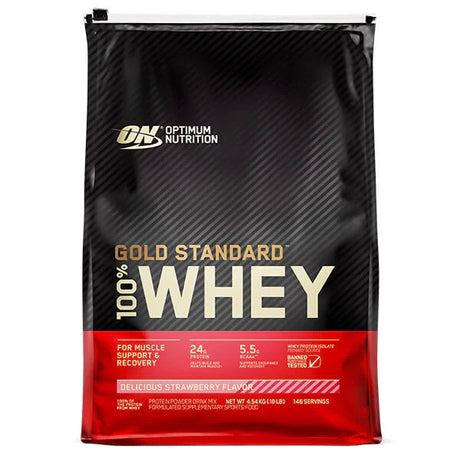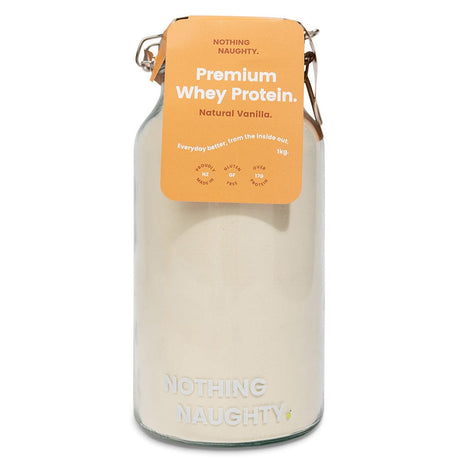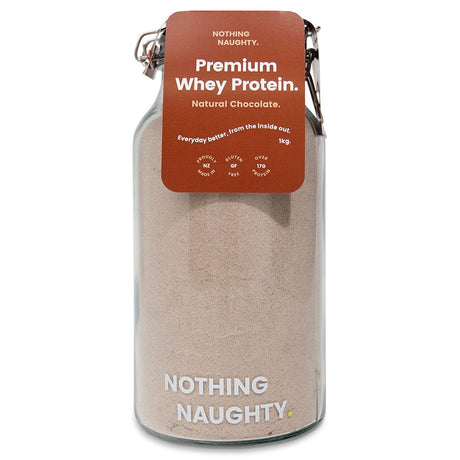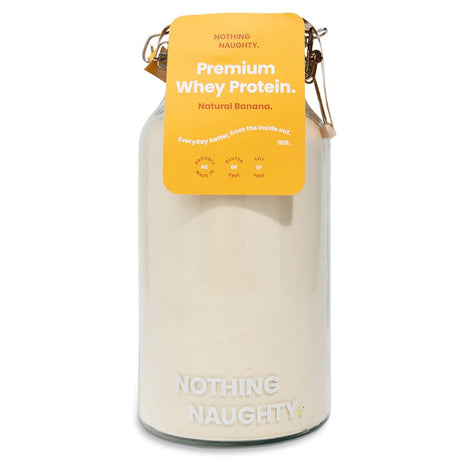


1. Time Whey to Flatten the Anabolic Dip — Not Just “Post-Workout”
The old advice was: “take whey after your workout.”
The new insight? Your muscles care more about preventing dips in amino acid availability than spikes.
Modern strategy:
Take whey when you're most likely to go catabolic, such as:
- Before long gaps between meals (4–6 hours)
- After poor sleep or during high stress
- Before training fasted or early morning
- During calorie deficits (cutting phases)
This helps stabilize anabolic signaling, keeping muscle protein turnover tilted toward growth and away from breakdown (Areta et al., 2013).
Why is this important?
Your body doesn’t ‘store’ free amino acids the way it stores carbs or fats, they’re either being used to build and repair tissues like muscle, or they’re quickly oxidized for energy.
Minor nuance
The body can break down existing muscle and organ proteins to release amino acids, but this is not a storage system — it’s a survival mechanism and comes with a cost (loss of lean tissue).
Recommendations from the 2017 International society of sports nutrition position stand: nutrient timing (Kerksick et al., 2017)
1. “Meeting the total daily intake of protein, preferably with evenly spaced protein feedings (approximately every 3 h during the day), should be viewed as a primary area of emphasis for exercising individuals.”
2. “Ingesting a 20–40 g protein dose (0.25–0.40 g/kg body mass/dose) of a high-quality source every three to 4 h appears to most favorably affect MPS rates when compared to other dietary patterns and is associated with improved body composition and performance outcomes.”
MPS = Muscle protein synthesis
Unsure which type of whey is best for your goals? Check out our blog How To Buy The Right Whey Protein For Your Goals (NZ Edition)

2. Whey Protein + Carbs Can Supercharge Glycogen Replenishment for Better Training Performance
Most people think of whey protein strictly as a “muscle repair” supplement — but here’s a lesser-known advantage: whey can actually help you recover your energy stores faster when paired with carbohydrates (Berardi et al., 2006).
Why this matters for muscle growth
Your muscles store glycogen (carbohydrate) as their primary fuel source during hard training. When glycogen gets low, you experience:
- reduced power output
- slower rep speed
- earlier fatigue
- fewer quality sets
All of which directly limit muscle growth over time.
So yes — carbs refill glycogen. But carbs + whey refill it faster.
What makes whey special here?
Whey protein triggers a strong insulin response, often stronger than carbs alone. Insulin is a storage hormone — it helps shuttle glucose into muscle cells to rebuild glycogen.
When you combine whey with carbs after training, you get:
- Higher insulin levels
- Quicker glucose uptake into muscles
- Faster glycogen resynthesis
- Better readiness for your next session
This is especially important if you train:
- multiple days in a row
- twice a day
- high-volume strength programs
- or in a slight calorie deficit
Because glycogen becomes a limiting factor much faster.
Real-world application
A simple post-workout combo can do the job:
- 20–30 g whey protein
- 25–50 g fast or moderate-speed carbs (fruit, oats, maltodextrin, sports drink, etc.)
This pairing helps you recover faster and perform better, which compounds over weeks into more quality reps, more progressive overload, and ultimately — more muscle.

3. Whey Protein During Stressful Periods and High Training Loads
Whey protein is best known for helping you meet your daily protein needs — but it also contains natural dairy-derived components that may offer additional support during times of high stress, or heavy training.
Whey includes bioactive fractions such as lactoferrin, α-lactalbumin, and immunoglobulins—components not found in EAA/BCAA supplements, collagen, plant-based proteins, or whole-food proteins like chicken, beef, or eggs. These compounds have been studied for their potential roles in immune function, stress modulation, and antioxidant support. Here’s what the evidence suggests:
During high psychological stress
Chronic stress increases cortisol, affects immunity, and can impair training quality.
α-lactalbumin—found naturally in whey—has been shown to increase the tryptophan:LNAA ratio, which may improve stress resilience and mood under pressure (Markus et al., 2002).
Practical usage:
- 20–25 g whey between meals on high-stress workdays
- Busy days with long gaps between meals: a quick shake to keep amino acids available
- Useful when appetite drops or meals get delayed
During high training loads
Heavy or repeated training sessions place strain on immune function. Some of whey’s bioactive components—especially lactoferrin and immunoglobulins—have immunomodulatory activity in clinical contexts. Evidence in athletes is still emerging, but the immune-support role of these components is well documented (Beaulieu et al., 2006).
Practical usage:
- 20–30 g whey pre- or post-training during high-volume blocks
- Useful when doing twice-a-day training or long conditioning sessions
Overall, more research is needed in resistance-trained populations to fully understand how whey protein may influence stress, sleep, and immune function, but the benefits currently known look promising.
Conclusion: Whey Protein Works Best When You Use It Strategically
Today’s muscle science (for peak optimisation) is far more nuanced than “slam protein after your lift.”
If you want to squeeze every gram of growth out of whey, focus on:
- Preventing anabolic dips
- Pairing whey protein with carbohydrates
- Using it during stressful periods and high training loads
Put these into practice and whey becomes not just a supplement — but a strategic tool for maximizing hypertrophy.
Ready to use these strategies? Shop Whey Protein today!
Learn more about whey protein here.
References
Beaulieu, J., Dupont, C., & Lemieux, P. (2006). Whey proteins and peptides: Beneficial effects on immune health. Therapy, 3(1), 69–78. https://doi.org/10.2217/14750708.3.1.69
Kerksick, C. M., Arent, S., Schoenfeld, B. J., Stout, J. R., Campbell, B., Wilborn, C. D., Kalman, D., Smith-Ryan, A. E., Kreider, R. B., Ormsbee, M. J., Taylor, L., Wilborn, C., Wildman, R., & Antonio, J. (2017). International Society of Sports Nutrition position stand: Nutrient timing. Journal of the International Society of Sports Nutrition, 14, Article 33. https://doi.org/10.1186/s12970-017-0189-4
Markus, C. R., Olivier, B., & de Haan, E. H. F. (2002). Whey protein rich in α-lactalbumin increases the ratio of plasma tryptophan to other large neutral amino acids and improves cognitive performance in stress-vulnerable subjects. The American Journal of Clinical Nutrition, 75(6), 1051–1056. https://doi.org/10.1093/ajcn/75.6.1051