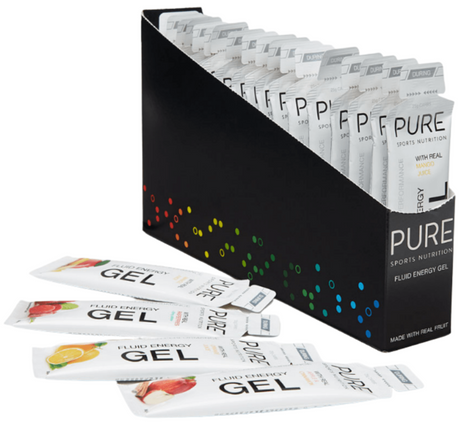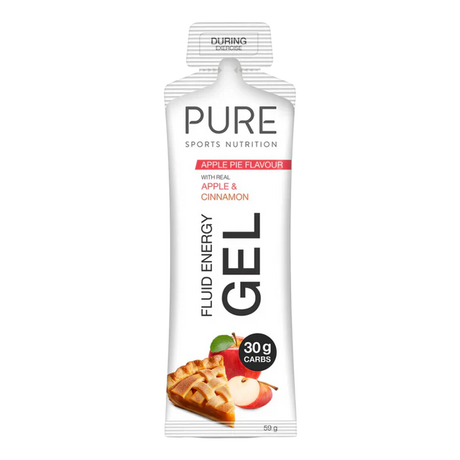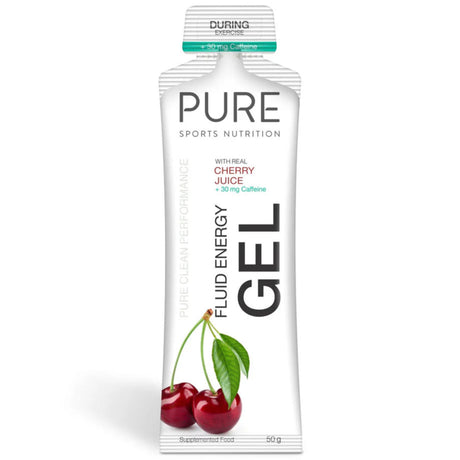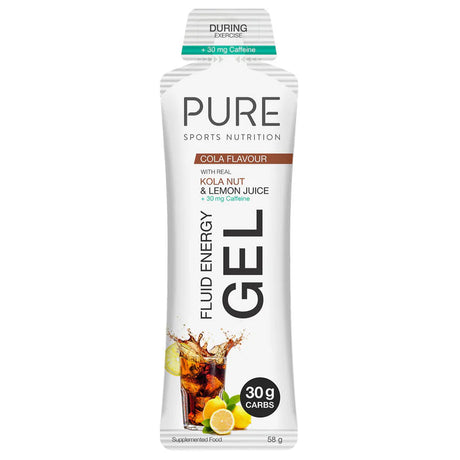


If you run regularly, whether it’s easy kilometers, speed work, or long-distance training, your body takes on real stress. Your heart works harder. Your legs absorb forces equal to 2-3x your body weight with every step. You also burn through energy, fluids, and key nutrients mile after mile. With proper recovery, these demands signal your muscles, tendons, and ligaments to adapt and grow stronger over time while improving how your heart and energy systems perform. If you want to run faster, recover better, and stay injury-free, how you support this process is critical.
Smart training is essential, but smart fueling matters just as much.
In this guide, we’ll discuss supplements for running, including protein, hydration, carbs, caffeine, and recovery support. Every recommendation here is backed by research and used daily by many of the Sportsfuel team, because we practice what we preach.
Browse top energy and endurance supplements here
Why Nutrition Is Critical for Runners
Running stresses:
- Muscle tissue
- Connective tissue (tendons/ligaments)
- Energy systems
- Fluid and electrolyte balance
Endurance training increases muscle protein turnover and energy demands. Without proper fueling, performance plateaus and injury risk rises.
The goal of supplementation is simple:
- Improve performance
- Support recovery
- Reduce fatigue
- Maintain lean muscle
- Stay hydrated
- Provide a convenient and reliable way to support all of the above
Let’s break it down by product type.

Protein for Runners: What the Latest Research Shows
Many runners still think protein is “just for lifters.” That’s outdated.
What the Evidence Says
Endurance training increases protein needs due to muscle remodeling and repair demands.
Position stands from the International Society of Sports Nutrition (ISSN) recommends:
- 1.4–2.0 g/kg/day for active individuals
Protein intake after endurance exercise:
- Enhances muscle protein synthesis
- Improves recovery
- Reduces muscle soreness
- Enables adaptations, such as greater muscle power and improved aerobic capacity
- Supports lean mass retention during high training loads. This is especially important if you want to keep your hard-earned muscle while increasing your running mileage.
Practical Takeaway
Aim for:
- 20–40 g protein within 1 hour post-run
- Total daily intake spread across meals
Whey protein is especially effective due to its high leucine content and rapid absorption.
You can find high-quality protein supplements in our protein powder and protein bar collections.
Carbohydrates: Still the Primary Fuel for Running
Carbohydrates remain the most evidence-supported performance nutrient for endurance athletes.
During Long Runs
Consuming 30–60 g of carbohydrates per hour during endurance exercise longer than 60–90 minutes can improve performance.
For events over 2.5 hours, intake may increase to: Up to 90 g/hour using multiple transportable carbs (glucose + fructose)
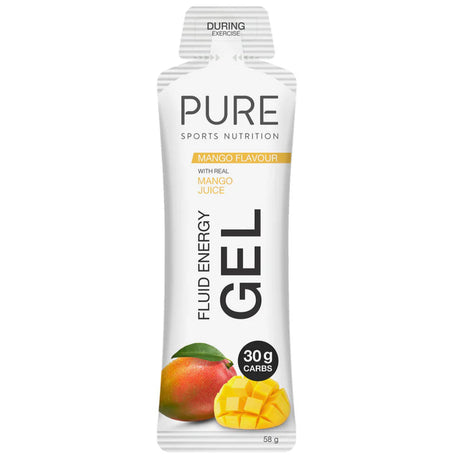
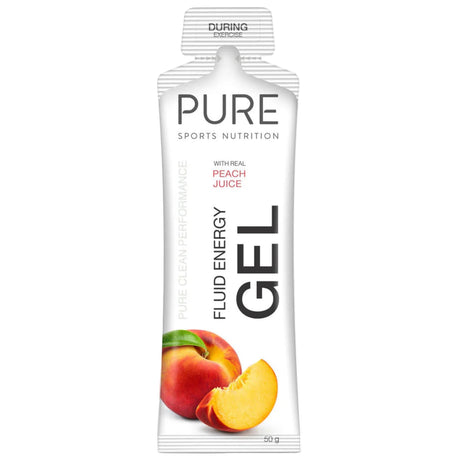
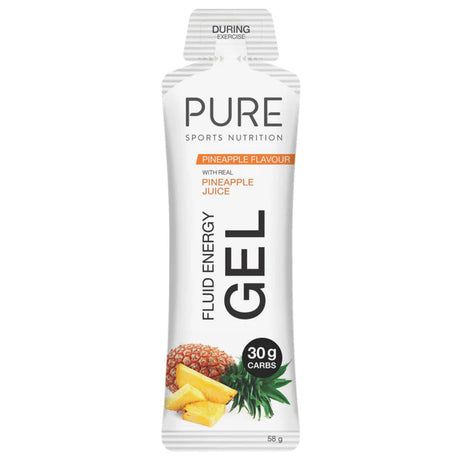
More recently, professional athletes have taken to social media reporting that during endurance races, such as triathlon, they can consume up to 120g of carbs per hour by using easy to digest energy gels and electrolyte formulas. The main limitation to high carb intake is digestive discomfort and reduced fluid absorption. By using specifically formulated gels and electrolyte formulas, you get accurate, reliable, consistent dosing that minimizes the risk of digestive discomfort, so you can focus on running without distractions.
After Running
Carbohydrates help restore glycogen, your body’s stored form of carbohydrate, especially if training again within 24 hours.
Glycogen is replaced most quickly in the first 30–60 minutes after exercise. This faster refueling continues for several hours, making the early post-run period especially important for athletes who have another training session later.
Explore endurance fueling options in our carbohydrate supplements collection
Fueling Table
| Run Length | Recommendation (Evidence-Based) |
| < 60 min | Water (+ carbs post run) |
| 60-90 min | Electrolytes + carbs |
| 90+ min | 30–60 g carbs/hr |
| 2.5+ hrs | Up to 90 g carbs/hr |

Electrolytes: When Do You Need Them?
Sweat contains electrolytes:
- Sodium: ~40–60% of total electrolytes in sweat (the primary electrolyte lost)
- Chloride: ~30–50% (usually lost in similar amounts to sodium)
- Potassium: ~5–10% (lost in much smaller amounts)
Sodium replacement during prolonged exercise can help maintain fluid balance and may reduce risk of exercise associated hyponatremia. Hyponatremia is a condition that occurs when blood sodium levels become dangerously low, often from excessive water intake without enough sodium replacement.
Most runners benefit from:
- 300–600 mg sodium per hour during long or hot runs.
Heavy or “salty” sweaters (those with high sweat rates and high sodium concentration) may indeed require 800–1,200 mg per hour, especially in long, hot conditions.
Are you a salty sweater? If you notice white salt stains on your clothes or skin after runs, have sweat that tastes very salty, experience frequent muscle cramps, or feel lightheaded during long, hot workouts despite drinking fluids, you’re likely a salty sweater.
Water intake is super important, but plain water alone during very long events can dilute blood sodium levels.
Electrolytes matter most if you:
- Run longer than 60 minutes
- Sweat heavily
- Train in heat
Find your next electrolyte supplement in our electrolytes collection
Caffeine: One of the Most Proven Performance Supplements
Caffeine is one of the most studied ergogenic aids in sports science.
A large 2021 meta-analysis confirmed caffeine improves:
- Endurance performance
- Time-trial outcomes
- Perceived effort
Effective dose:
- 3–6 mg/kg bodyweight, taken ~60 minutes before exercise
Lower doses (1–3 mg/kg) may still provide benefits with fewer side effects.
Caffeine is a stimulant that effects individuals differently, so we recommend trialling caffeine intake on a training run, rather than an important race event.

Collagen and Tendon Health
Emerging research suggests that collagen supplementation combined with vitamin C may support collagen synthesis and tendon health after demanding exercise.
These initial findings are promising for runners because of how much repetitive stress gets placed on the tendons and ligaments in the lower body while running.
What Type Of Collagen Should Runners Choose?
Best Overall: Hydrolyzed Collagen Peptides
- Type I collagen dominant (most abundant in tendons)
- Highly bioavailable
- Convenient for daily use
Combining vitamin C with collagen can enhance collagen synthesis.
When to use?
Take 30-60 minutes before your run, or directly afterwards. Taking collagen before exercise ensures the raw materials are available exactly when your tendons are being stimulated to adapt. The combination of: available building blocks (collagen) + mechanical loading (running), appears to amplify collagen production.
Explore collagen products in our Collagen Supplements Collection
Omega-3 Fatty Acids and Recovery
A 2024 systematic review show omega-3 supplementation may:
- Reduce muscle soreness
- Support recovery
- Improve inflammation balance
This may be useful during high training blocks.
Find Omega-3 supplements in our Healthy Fats & Oils Collection
Putting It All Together: Evidence-Based Supplement Stack for Runners
Core (Strongest Evidence)
- Carbohydrates (during long runs)
- Protein (daily + post-run)
- Electrolytes (long/hot sessions)
- Caffeine (performance boost)
Secondary (Situational Support)
- Collagen
- Omega-3s
You don’t need everything, just what matches your training load, or what you may be lacking in your diet.
Conclusion: Train Hard. Fuel Smarter.
Modern sports science is clear:
- Protein supports endurance adaptation
- Carbohydrates drive performance
- Electrolytes protect fluid balance
- Caffeine improves output
- Recovery nutrition determines progress
Running breaks the body down. Nutrition builds it back up.
If you want to improve performance, reduce injury risk, and recover faster, start with the fundamentals, and choose supplements supported by strong evidence.