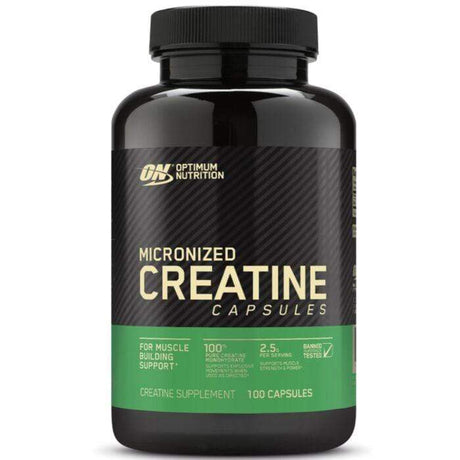


Creatine has long been synonymous with strength and power, often a go-to supplement for weightlifters, sprinters, and athletes seeking explosive performance improvements. But what about endurance performance, the kind valued in long-distance running, cycling, triathlon, hyrox and other aerobic sports? This question has become increasingly relevant as creatine becomes more popular. From first-timers at endurance events to professional athletes and coaches looking for every edge to squeeze out marginal gains, creatine may, or may not, improve performance.
In this blog, we’ll walk through what the current science says about creatine’s effects on endurance: from metabolic mechanisms to actual race results. We’ll also explore where creatine might be helpful and where it probably isn’t, including critical caveats about weight changes and sport-specific demands. Finally, you’ll get clear, evidence-backed takeaways to decide if creatine belongs in your endurance training toolbox.
Let’s dive in.
What Creatine Is and How It Works
Creatine is a natural substance made by the body and found in foods like red meat and fish. Most athletes take creatine monohydrate, the most studied form that can increase muscle creatine and phosphocreatine (PCr) stores by ~10–40%. Larger creatine stores help rapidly regenerate adenosine triphosphate (ATP), the cellular energy currency, particularly during high-intensity efforts.
Creatine may:
- Improve ATP resynthesis, aiding short bursts of power.
- Buffer hydrogen ions (acid build-up), potentially delaying fatigue during repeated high-intensity surges.
- Increase muscle glycogen when co-ingested with carbohydrates, a fuel source important in endurance exercise.
- Reduce inflammation and oxidative stress, possibly supporting recovery.
However, endurance performance is not just about quick bursts of energy. It largely depends on steady movement, good pacing, and how well the body uses oxygen over time, all of which depend heavily on our aerobic (oxygen-based) energy system. That’s where the evidence gets nuanced.
To learn more about creatine, check out our blog Creatine Guide: What it is, How It Works, Benefits, Dosage & Risks
Endurance Performance: The Evidence So Far
1. Creatine Doesn’t Improve Classic Endurance Markers
The most rigorous studies show that, on average, creatine monohydrate does not reliably improve traditional endurance outcomes like VO₂ max, lactate threshold, or continuous time-trial performance in well-trained athletes.
One systematic review and meta-analysis found no significant effect of creatine supplementation on endurance performance in a trained population. However, we must consider that although creatine didn’t improve classic endurance metrics, it didn’t conclusively find negative effects, either. This neutral effect is important to consider when the benefits of creatine go beyond sports performance.
In studies & performance tests where creatine negatively affected endurance performance, it was most likely due to an increase in bodyweight from creatine supplementation, which can influence performance in bodyweight sensitive sports. Bodyweight changes from creatine can be minimized by not using a loading phase, but individual responses are different from person to person.
2. Weight Gain May Offset Benefits
As mentioned above, creatine often causes intramuscular water retention, leading to modest increases in body mass. In weight-bearing endurance sports (like running), even a small weight increase can negate any metabolic advantage by increasing the energy cost of movement.
In sports where body weight doesn’t significantly increase energy demands and strength is important, such as rowing, swimming, kayaking, cross-country skiing, motocross, and track cycling, taking creatine is less likely to have a negative effect on performance, and may be beneficial in certain situations.
3. Situations Where Creatine May Help
Even though creatine doesn’t reliably boost continuous endurance performance, there are specific endurance contexts where it may be beneficial:
- Repeated surges or high-intensity efforts, e.g., sprint finishes, breakaways, climbs, or end-race accelerations. Creatine’s role in ATP resynthesis and buffering may help here. This includes sports like cycling or mountain biking, where both aerobic endurance and power bursts matter.
- Sports with mixed intensities and competition formats, such as HYROX and CrossFit, where athletes alternate between sustained aerobic efforts (running, rowing, ski-erg, longer AMRAPs) and repeated high-intensity bouts (sled pushes, wall balls, Olympic lifts, burpee broad jumps). In these formats, creatine may enhance short-duration power output, repeated sprint ability, and recovery between stations or rounds, even if it does not directly improve steady-state aerobic capacity.
-
Improved recovery between hard training sessions, potentially allowing more quality training over time (though this is an indirect, long term benefit rather than a direct performance boost).
In contrast, steady-state endurance efforts such as marathon pace running or long, evenly paced cycling largely show no short-term advantage from creatine.
Beyond Endurance: Other Potential Effects
A press release by the International Society of Sports Nutrition suggests creatine may improve cognitive ability under stressful conditions, reduce the severity of injuries including concussion, help manage diabetes, and help build/maintain muscle mass (which is important as we age), suggesting creatine may improve your quality of life outside of endurance performance.
Direct evidence for cognitive or mental performance benefits in endurance settings is not yet definitive.
Practical Recommendations for Endurance Athletes
If you’re considering creatine as an endurance athlete, here’s an evidence-based roadmap:
✔ Situations to Consider Creatine
- You compete in events with tactical surges (e.g., crit races, mountain bike stages, triathlon sprints).
- You value recovery and training quality over pure aerobic performance.
- You want a marginal gains approach rather than expecting dramatic VO₂ enhancements.
⚠ Situations Where Creatine May Be Less Effective
- You’re a distance runner where every extra kilogram increases energy cost.
- Your primary goal is steady aerobic output (e.g., marathon pace, long solo time trials).
How to Use Creatine Wisely
- Daily maintenance dose: ~3–5 grams per day for several weeks for muscle saturation.
- Loading phase (optional): ~20 grams per day for 4–7 days to saturate stores faster.
- Monitor body mass: If weight gain negatively affects your discipline, adjust dose or skip loading.
- Test creatine in the off-season. If you want to experiment with creatine while minimizing any potential impact on performance, do it well away from your competition phase. If you decide it’s not for you, simply stop supplementing. Muscle creatine levels typically return to baseline within a few weeks. This approach can be particularly useful in the early phases of the season, where the focus is often on building strength, tissue resilience, and general preparation rather than race-specific performance.
Side Effect Considerations
Creatine is generally safe in healthy adults, but can cause gastrointestinal (GI) discomfort and water retention. To minimize GI discomfort, consume creatine with carbohydrates and/or electrolytes to support creatine uptake in the body. Always consult a healthcare provider if you have kidney concerns or other health conditions.
Final Thoughts: Creatine and Endurance in 2026
In the context of pure endurance performance, creatine is not a magic compound. The best evidence available shows little to no benefit for classic aerobic markers in trained athletes, and potential weight gain may even dampen performance in some cases.
That said, when the demands of your sport involve power bursts, surges, or tactical accelerations, creatine can meaningfully contribute to performance. Its benefits for high-intensity efforts and recovery, rather than steady aerobic capacity, are where the majority of supportive evidence lies.
As always, individual responses vary, and decisions about supplementation should be personalized to your sport, event demands, and training goals.
Further Reading:
- Creatine Guide: What it is, How It Works, Benefits, Dosage & Risks
- How to Choose the Best Creatine for Your Training in 2026
- Is Creatine Safe? 8 Common Myths Debunked By Science