

Creatine is one of the most researched sports supplements on the planet — yet it still gets treated like a “maybe risky” powder you should be suspicious of. If you’ve ever Googled “is creatine safe?”, “does creatine damage kidneys?” or “does creatine cause hair loss?”, you’re not alone.
The good news: a major 2021 evidence-based review (built on decades of research and the ISSN’s safety/effectiveness position stand) took the most common creatine fears and tested them against the science. The result is refreshingly boring: for healthy people using recommended doses, creatine has an excellent safety profile.
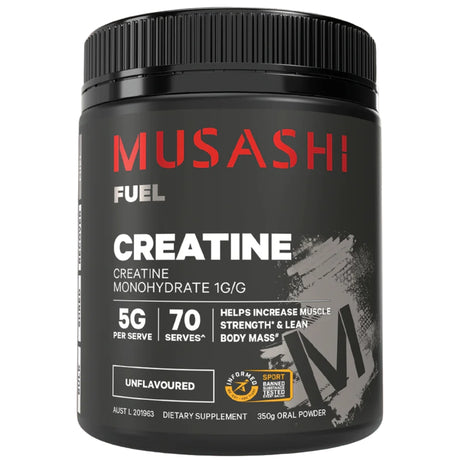
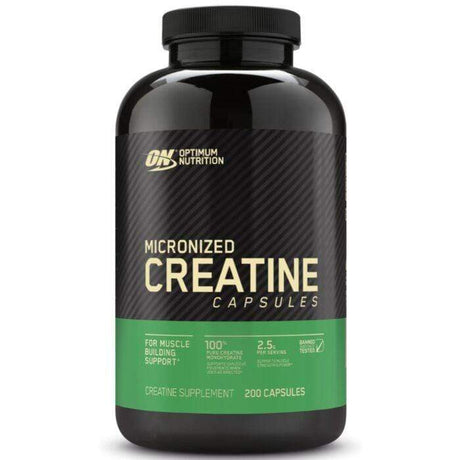
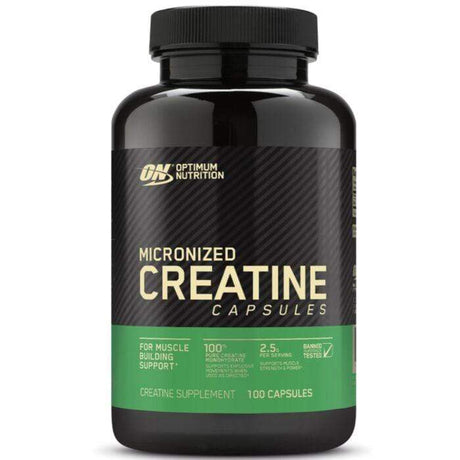
In this guide, we’ll break down 8 of the biggest creatine myths so you can make a confident decision and stop getting whiplash from internet hot takes. If you want to explore options while you read, here’s our full creatine supplements collection.
As with any dietary supplement, consult a qualified healthcare professional before using creatine, particularly if you have a pre-existing medical condition, are taking medication, or are pregnant or breastfeeding.
Quick facts: what creatine is
1. Does creatine cause kidney damage/renal dysfunction?
Short answer: No — not in healthy people using recommended doses.
This is the most persistent creatine myth, largely because creatine is linked to creatinine, a marker doctors often use to assess kidney function.
Here’s the key nuance:
- Your muscles naturally convert some creatine (and phosphocreatine) into creatinine.
- When you take creatine or eat a lot of meat, blood creatinine can rise even if kidney function is normal.
- That rise can look alarming on paper, but it doesn’t automatically mean damage.
The 2021 review highlights that after 20+ years of controlled research, recommended creatine dosing has not been shown to harm kidney/renal function in healthy individuals. Case reports that suggest kidney issues are usually confounded by things like:
- pre-existing kidney disease
- medications that affect the kidneys
- extreme dosing (far beyond recommended)
- anabolic steroid use or multiple supplements at once
Practical guidance:
- If you’re healthy, standard creatine use is considered safe by the evidence reviewed.
- If you have kidney disease, a history of renal issues, or take kidney-impacting meds, talk to a health professional before supplementing.
2. Does creatine cause hair loss / baldness?
Short answer: There’s no strong evidence that creatine causes hair loss.
This myth largely comes from one small study in rugby players where creatine supplementation was associated with a rise in DHT (dihydrotestosterone), a hormone sometimes linked to male-pattern baldness in genetically susceptible people.
What the 2021 review points out:
- The DHT finding has not been reliably replicated.
- Many studies measuring testosterone (and some measuring free testosterone) show no meaningful hormonal changes with creatine.
- Even in that rugby study, hormone values stayed within normal clinical ranges, and no studies have directly shown creatine causing hair loss in humans.
Bottom line: If you’re predisposed to hair loss, it’s understandable to be cautious — but the overall evidence does not support creatine as a cause of baldness.
3. Does creatine lead to water retention?
Short answer: Sometimes short-term — but it’s usually intramuscular, and long-term effects are often overstated.
Creatine is osmotically active, meaning it can draw water into muscle cells. Early studies (especially with loading phases) found that creatine could increase total body water initially, which helped create the “creatine makes you gain weight” reputation.
The 2021 review explains the more accurate picture:
- In the first several days, some people may gain 1–3 kg, especially if loading.
- Over longer training periods, many studies show no problematic rise in total body water relative to muscle mass — and when intracellular water rises, it may be part of how muscle growth signals increase over time.
What this means in real life:
- If the scale jumps early, it’s usually water in the muscles, not fat.
- If you want to minimize early scale changes, take 3–5g daily instead of loading.
4. Does creatine lead to dehydration and muscle cramping?
Short answer: No — research doesn’t support it, and some evidence suggests the opposite.
The dehydration/cramping fear came from a theory: creatine pulls water into muscle cells, so maybe it reduces water available elsewhere — especially during heat and heavy sweating.
But experimental and field data reviewed in 2021 does not validate the claim. In monitored athlete settings (including hot/humid training), creatine users have shown:
- no increase in dehydration events
- no increase in cramping
- in some cases, fewer cramping/heat-related issues than non-users
Practical take:
- Creatine isn’t a substitute for hydration.
- But creatine also isn’t the cramp-causing villain it’s been made out to be.
5. Is creatine an anabolic steroid?
Short answer: No. Creatine is not a steroid — chemically, legally, or biologically.
Steroids are synthetic hormone derivatives (testosterone-like) that alter muscle protein synthesis through hormonal pathways.
Creatine works differently:
- It increases stored phosphocreatine, helping regenerate ATP faster during intense exercise.
- That can let you do more reps, lift more total volume, and recover better between efforts — which can contribute to better training results over time.
Creatine can support muscle and strength gains, but it does not act like testosterone.
6. Does creatine make you fat?
Short answer: No — creatine does not increase body fat in controlled studies.
This myth persists because some people gain weight after starting creatine. But the evidence reviewed shows:
- Short-term: changes are generally water + potential lean mass, not fat.
- Longer-term: randomized trials across many populations do not show creatine increasing fat mass.
In fact, in some contexts (especially with resistance training), people may gain lean tissue while maintaining or reducing fat mass.
If you’re cutting: creatine can help preserve strength and training performance even in a calorie deficit.
7. Is creatine only useful for resistance / power type activities?
Short answer: No — it’s best known for strength/power, but it can help more than that.
Creatine is most reliably beneficial for:
- weight training
- sprinting
- repeated high-intensity efforts (team sports, intervals)
But the 2021 review highlights broader potential benefits:
- Recovery support (less muscle damage markers in some studies, better tolerance to hard training blocks)
- Possible benefits in heat tolerance/hyperhydration strategies in certain conditions
- Emerging interest in neuroprotection/brain energy (especially relevant for collision sports risk)
More recently, these topics are becoming the focus of creatine research since the strength, power, and high-intensity endurance research is well established.
So while creatine is a slam dunk for high-intensity efforts, it’s not limited to “powerlifters only.”
What about long-duration endurance performance? We cover this topic in our blog Does Creatine Improve Endurance Performance? What We Know in 2026
8. Is creatine only effective for males?
Short answer: No — females can benefit too, and the evidence is growing.
Creatine has historically been studied more in men, but the 2021 review notes that:
- Women can increase muscle creatine stores and see performance benefits.
- Many studies in female athletes show improvements in strength, sprint performance, or exercise capacity.
- Responses can vary due to baseline creatine stores, muscle mass differences, and hormonal factors.
Beyond performance, the review also discusses female-specific considerations across the lifespan:
- potential relevance during menses, postpartum, and menopause (research still developing)
- in older women, creatine + resistance training can support strength, function, and possibly bone-related outcomes in some studies
Bottom line: Creatine isn’t “for men.” It’s a foundational supplement that can support training adaptations for women too.
Conclusion: So, is creatine safe?
Based on the 2021 evidence review and the broader body of controlled research it evaluates, creatine has a strong safety profile for healthy people using recommended doses — and most of the scary myths don’t hold up.
If you want to keep it simple:
- Take 3–5g per day
- Be consistent
- Hydrate normally
- Train progressively
If you’d like to compare formats (powder, capsules, flavoured options, gummies/chews), explore our creatine supplements collection or check out our blog How to Choose the Best Creatine for Your Training.
FAQ
Is creatine safe for long-term use?
Long-term studies reviewed show no meaningful safety issues in healthy individuals using recommended dosages.
Should I stop creatine before a blood test?
You don’t necessarily need to, but you should tell your clinician because creatine can affect creatinine readings.
Can women take creatine daily?
Yes. Women can use creatine daily and may benefit for training performance, strength, and recovery.
Does creatine help endurance athletes?
It’s most reliable for repeated high-intensity efforts, but may support recovery and training tolerance in some endurance contexts. It’s also worth considering how you dose creatine: loading phases (around 15–20 g/day for 5–7 days) tend to cause a faster increase in body mass than steady daily dosing, which may be undesirable for endurance athletes where even small weight changes can impact performance.
References
Antonio, J., Candow, D. G., Forbes, S. C., Gualano, B., Jagim, A. R., Kreider, R. B., Rawson, E. S., Smith-Ryan, A. E., VanDusseldorp, T. A., Willoughby, D. S., & Ziegenfuss, T. N. (2021). Common questions and misconceptions about creatine supplementation: what does the scientific evidence really show?. Journal of the International Society of Sports Nutrition, 18(1), 13. https://doi.org/10.1186/s12970-021-00412-w